13 Scariest Mental Descents: A Best of Psychological Horror


“We fear the dark because of what walks within it, forgetting that the most infinite, lawless shadow in existence is the one cast by a breaking mind.” – Chase Gifford
When October rolls around, the mainstream crowd immediately defaults to the predictable, comfortable rhythms of masked slashers or standard haunted houses. But as any true cinephile knows, the most terrifying monsters aren't the ones hiding in a dark closet—they are the ones lurking inside our own minds. Psychological horror targets our deepest, most fragile human vulnerabilities: our sanity, our shifting memories, and our agonizing inability to trust our own senses. To help you curate a flawless October marathon, I have put together a list of 13 masterful psychological horror films, organized by their specific thematic brands of terror. Now, taste in cinema is entirely subjective, so please note that these are just some great picks to choose from. I am in no way saying these are the best of the best and anything else is trash; these are just 13 really great horrors that I thought I would share. This isn't meant to be a definitive, end-all-be-all decree, but rather a collection of titles that bypass cheap, unearned jump scares in favor of an unrelenting dread that will actively rot in your brain long after the credits roll.
Group 1: The Internal Fractures (Madness & Obsession)
The Shining (1980)

Stanley Kubrick’s adaptation remains the absolute blueprint for a psychological descent into madness, making it the undisputed king of internal mental fractures. The real terror here doesn't stem from traditional hotel ghosts, but from the horrifyingly rapid disintegration of Jack Torrance’s psyche under the weight of creative frustration and extreme isolation. Kubrick masterfully utilizes oppressive, mathematically impossible hotel geometry and long, sweeping steadicam shots to induce a sickening sense of claustrophobia within an immense space. It is a masterclass in atmospheric dread, trapping the audience directly inside a family patriarch's swelling cabin fever until his mind turns violently against his own blood.
Black Swan (2010)

Darren Aronofsky delivers a feverish, high-stress nightmare that explores the toxic intersection of artistic obsession and a total fracturing of reality. Nina is a hyper-disciplined ballerina who completely unravels under the immense pressure of landing a dual lead role that demands she simultaneously embody pure innocence and chaotic, seductive darkness. Aronofsky earns his place in this category by brilliantly blurring the lines between psychological performance anxiety and grotesque body horror. By tracking Nina through vivid, self-mutilating hallucinations, the film becomes a visceral, unhinged look at a mind completely destroying itself in a mad pursuit of perfection.
The Lighthouse (2019)
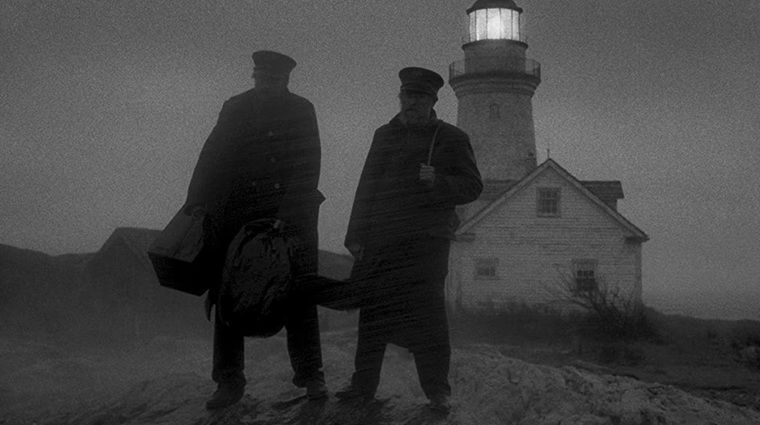
Shot in a boxy, suffocating aspect ratio and stark, metallic black-and-white, Robert Eggers' hypnotic feature tracks two 1890s lighthouse keepers stranded on a remote New England rock during a relentless storm. Driven by total isolation, heavy drinking, and a toxic, shifting power dynamic, the two men systematically lose all concept of time and truth. Eggers weaponizes a deafening, industrial sound design—complete with an unrelenting, rhythmic foghorn—to trap the audience directly inside the characters' swelling insanity. I love how it handles its madness; it is a wildly chaotic, mythological, and deeply unsettling look at what happens when human sanity is left to rot in complete isolation.
Group 2: The External Fractures (Paranoia & Gaslighting)
Rosemary's Baby (1968)

As the gold standard for urban paranoia and domestic gaslighting, this classic psychological piece turns the protagonist’s closest confidants and neighbors into her greatest existential threats. Upon becoming pregnant, Rosemary is gradually enveloped by a suffocating web of isolation as her overly friendly neighbors and medical professionals slowly take control of her life and body. The true psychological terror stems from the absolute invalidation of her instincts; she is repeatedly told that her agonizing physical pain and growing suspicions are merely the hyper-sensitivity of pregnancy, forcing her to question her own sanity while trapped in an external, occult conspiracy.
Get Out (2017)
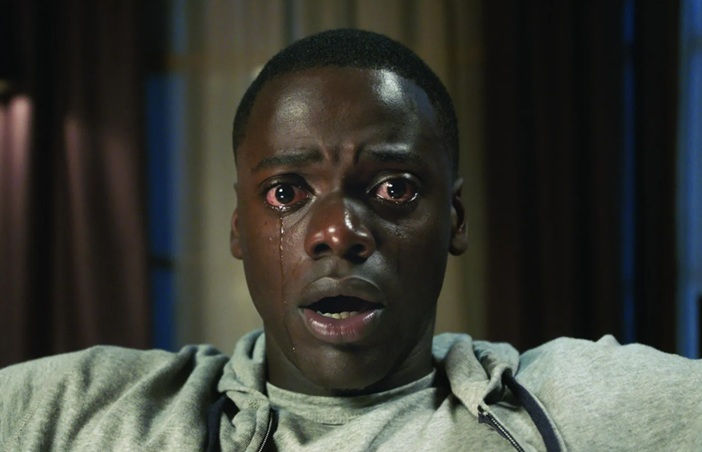
Jordan Peele completely revolutionized modern horror by weaponizing the subtle, shifting micro-aggressions of a weekend family visit into an uncomfortable and deeply sinister external conspiracy. By brilliantly subverting traditional horror tropes and executing its most terrifying sequences in blindingly bright, smiling environments, the film builds an agonizing web of social anxiety and psychological capture. It perfectly embodies external fractures by showing a protagonist who is completely sane, but entirely trapped by a coordinated, malicious group of wealthy elite intent on stripping away his identity and his bodily autonomy.
The Invisible Man (2020)

This brilliant modernization transforms a classic sci-fi premise into a masterful metaphor for domestic trauma, stalking, and systemic gaslighting. Elizabeth Moss delivers a powerhouse performance as Cecilia, a woman who escapes an abusive ex-partner, only to be systematically terrorized by an invisible presence that no one else can see. Director Leigh Whannell forces the audience to actively participate in Cecilia's paranoia by holding the camera on empty corners and quiet, vacant frames, perfectly capturing the agonizing psychological toll of a victim whose reality is constantly dismissed by the world around her.
Misery (1990)

Adapted from Stephen King's novel, Misery is a grueling, tightly wound survival nightmare that trades supernatural elements for pure human instability and physical captivity. The film exemplifies external paranoia by locking a famous novelist in a remote room, completely dependent on his self-proclaimed "number-one fan," Annie Wilkes. Kathy Bates’ Oscar-winning performance shifts seamlessly from nurturing to psychopathic, making the writer's complete stripping away of physical freedom an unshakeable psychological ordeal where a seemingly safe environment becomes an inescapable torture chamber.
Midsommar (2019)

Ari Aster subverts decades of horror conventions by staging a profoundly disturbing nightmare of psychological manipulation and cult indoctrination under a blinding, 24-hour Scandinavian sun. The story follows Dani, a young woman reeling from a devastating family tragedy, who accompanies her emotionally detached boyfriend to a remote Swedish commune's ancestral midsummer festival. It perfectly fits the external fractures category by showcasing how an insidiously welcoming community can gaslight an outsider, exploiting a fractured, grieving mind to re-sculpt her reality under the guise of empathy and belonging.
Group 3: The Grief & Trauma Manifestations
Don't Look Now (1973)

A haunting, deeply influential masterpiece, this film examines the fragmented, disorienting nature of parental grief following a tragic drowning accident. A married couple relocates to a cold, off-season Venice for an architectural restoration project, only to be disrupted by mysterious sightings of a child in a red coat and a psychic who claims to commune with their deceased daughter. Nicolas Roeg’s brilliant, non-linear editing style perfectly mimics a shattered psyche, weaving past memories, present grief, and flashes of premonition together to show how unresolved trauma distorts perception and creates an overwhelming sense of inevitable doom.
The Babadook (2014)
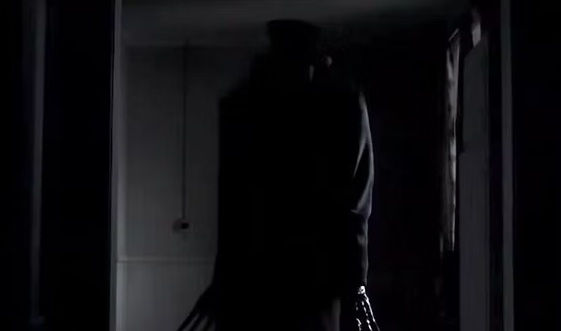
Jennifer Kent’s striking debut feature introduces a sinister, top-hat-wearing pop-up book monster that serves as a visceral, terrifying projection of suppressed maternal grief and clinical depression. The narrative centers on Amelia, a single mother struggling to raise her son while privately mourning her husband, who died the exact day their child was born. The film thrives on the genuine, agonizing exhaustion of unresolved family trauma, distinguishing itself because the monster cannot simply be defeated with conventional weapons; it must be acknowledged and lived with, making it a profound allegory for long-term emotional distress.
Hereditary (2018)

Ari Aster’s debut feature is a devastatingly grim exploration of a family completely falling apart from the inside out under the weight of sudden, horrific tragedy and a hidden, malicious ancestral history. Toni Collette delivers a career-defining performance as a mother processing unshakeable grief while realizing her late, estranged mother harbored dark secrets. Rather than relying on jump scares, Hereditary builds its terror through suffocatingly tense family dynamics and deeply distressing imagery, showing how inherited trauma can feel just as inescapable, predatory, and destructive as a literal demonic entity.
Smile (2022)
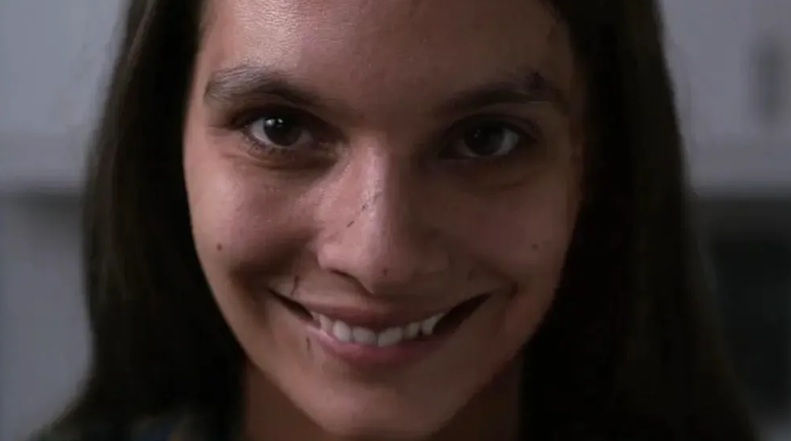
While Smile functions on a supernatural curse mechanism, its entire narrative engine is powered by acute psychological deterioration and the weight of witnessed trauma. After a dedicated psychiatrist named Rose witnesses a bizarre, traumatic incident involving a patient, she is pursued by an invisible entity that communicates through people wearing a chilling, frozen smile. The movie brilliantly weaponizes the theme of trauma by forcing those around Rose to dismiss her terror as a simple mental breakdown, capturing the isolating nature of psychological scarring where the predator actively thrives on alienating its prey from support.
Group 4: The Existential Dread
It Follows (2014)
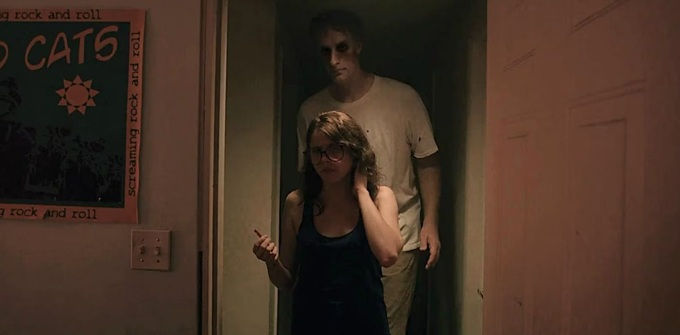
David Robert Mitchell crafts an unrelenting, slow-motion anxiety dream that strips away traditional horror pacing to deliver pure existential dread. The premise involves a sexually transmitted curse where a shapeshifting entity begins walking toward its victim at a steady, unhurried pace from anywhere in the world. Because the creature is invisible to the rest of humanity, the film places an immense psychological toll on its protagonist, Jay, who is forced into a state of permanent hyper-vigilance. Every background extra or distant figure in Mitchell’s wide-angled frames becomes a potential threat, capturing the exhausting, inescapable dread of a slow-motion countdown to mortality.
Ultimately, the beauty of psychological horror is that it doesn't need monstrous prosthetic makeup or a massive CGI budget to leave you completely unstrung. It just needs a deep understanding of human vulnerability, a brilliantly deployed camera lens, and an atmosphere thick enough to choke on. Whether you prefer the slow, hallucinatory decay of an isolated mind or the exhausting paranoia of an unseen threat, these 13 films offer a magnificent starting point for your October viewing schedule. But as I said at the jump, cinema is a beautifully subjective landscape. What strips away my peace of mind might not even make you blink, and that is exactly what makes discussing this genre so incredibly fun. So, once you've turned off the lights and wrapped up your marathon, hit the comments below and let me know your thoughts—which of these completely wrecked you, and what personal favorites did I leave out of the mix?
HAPPY HALLOWEEN!
🎃🎃🎃🎃🎃🎃🎃