The Time-Machine Ticket Stub: Experiencing Cinematic Giants the Way They Were Meant to Be Seen


“The theater is the only place where the movie is king.” – Adapted from Martin Scorsese
We live in an era of unprecedented convenience. With a few clicks of a remote, we can summon almost the entirety of film history directly onto our living room televisions. We have high-definition screens, surround-sound soundbars, and the ability to pause the narrative whenever we need a snack refill. But as any true cinephile will tell you, convenience is often the enemy of awe. There is a massive, unbridgeable chasm between watching a masterpiece on a compressed screen at home and experiencing it in its natural habitat: a pitch-black room, projected onto a towering screen, surrounded by an audience of strangers.
Because of my age, I missed the golden eras of celluloid. I wasn’t around when the landscape of genre cinema was being violently rewritten in the 1970s and 80s. For most of my life, my relationship with the definitive pillars of filmmaking was forged through home media. But over the last few years, I’ve made a conscious effort to hunt down retro screenings, anniversary re-releases, and independent theater events. I wanted to see the titans of film history the way their creators explicitly intended.
What I discovered is that a great movie doesn't just look bigger in a theater; it changes fundamentally.
The Ultimate Paranoia Machine: John Carpenter’s The Thing (1982)
I kicked off this theatrical time-travel journey by catching a recent screening of John Carpenter’s sci-fi horror masterpiece, The Thing. I’ve watched this movie at home more times than I can count, but sitting in the dark with it was a complete revelation.
On a television, The Thing is a terrifying monster movie. On a theatrical canvas, it becomes an oppressive, claustrophobic masterclass in psychological warfare. The sheer scale of Outpost 31 feels infinitely more isolated, making the freezing Antarctic wind howling through the speakers feel physically exhausting. But the single biggest revelation of seeing it on the big screen is the unparalleled artistry of Rob Bottin’s practical special effects.
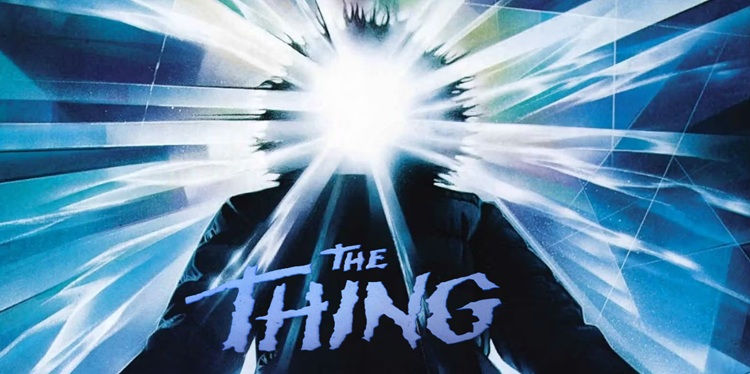
In an era where modern blockbusters are drowned in weightless, rubbery CGI, seeing Bottin’s grotesque, shifting amalgams of flesh, teeth, and dog limbs projected at that scale is nothing short of breathtaking. You can see the wet sheen on the tendrils, the mechanical precision of the split-faced transformations, and the sheer tactile weight of the gore. It looks real because it was real, and the big screen highlights every terrifyingly detailed texture that a home television screen compresses into oblivion. Coupled with Ennio Morricone’s minimalist, heartbeat-esque score rattling the theater seats, it felt like experiencing the movie's thick, suffocating paranoia for the very first time.
The Scale of Wonder and Terror: The Shining (1980), 2001: A Space Odyssey (1968), and Jurassic Park (1993)
If standard theater screens amplify a film's subtext, experiencing classic masterpieces on an IMAX canvas completely rewrites your neural pathways. Over the years, I’ve managed to catch three definitive pillars of larger-than-life cinema formatted for the biggest screens available, and the results were positively overwhelming.

With Stanley Kubrick's The Shining, I expected a pure exercise in isolation, but what shocked me was how surprisingly communal the screening felt. Sitting in the middle of a completely sold-out crowd to watch an immensely familiar piece of pop culture history created an electric atmosphere. Yet, the moment the film's iconic overhead tracking shots swept across the screen, the room went dead silent. The geometric precision of the Overlook Hotel's hallways felt completely ethereal on an IMAX scale. The towering frame weaponizes the architecture of the hotel against you, swallowing the characters whole and making Jack Torrance's psychological decline feel suffocatingly inescapable.
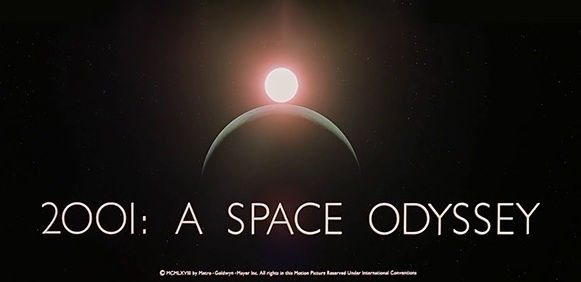
That same grandiose weight carried directly into 2001: A Space Odyssey. Experiencing Kubrick’s sci-fi monolith in IMAX felt less like watching a movie and more like witnessing a cosmic event. The audio design was particularly shocking; the classical orchestrations and the eerie, harmonized choir sequences felt significantly louder and more imposing than a standard theatrical mix. It vibrates in your chest. The scale of the spacecraft hanging in the blackness of space felt staggeringly massive, making the film's existential themes hit with double the force. The theater even preserved the film's original structural intermission—an amazing, historical throwback to a bygone era of roadshow cinema that forced the audience to collectively sit under the weight of what they had just witnessed before stepping back in for the final act.
But if there is one movie that links my childhood awe directly to my adult appreciation for the medium, it is Steven Spielberg's Jurassic Park. It holds a sacred place in my mind as the first movie I can ever remember seeing in a theater when I was a kid. But catching it again roughly ten years ago during its spectacular anniversary IMAX run was a different beast entirely. Spielberg's adventure possesses a pure, unadulterated cinematic magic that few modern filmmakers can duplicate.
Hearing the thunderous roars of the dinosaurs—particularly the iconic, ground-shaking roar of the Tyrannosaurus rex—blasting through an IMAX sound system doesn't just entertain you; it literally makes your chest vibrate. More importantly, seeing it at that grand scale confirmed a glaring reality about the industry: the experimental computer effects of the early 90s hold up just as flawlessly today as they did then. Because Spielberg used CGI sparingly, seamlessly pairing it with Stan Winston's massive physical animatronics, Jurassic Park looks vastly superior to the weightless green-screen blockbusters of the modern era. The big screen exposes the absolute triumph of that early digital artistry.
The Industrial Abyss: Ridley Scott’s Alien (1979)
My absolute earliest memory of this intentional theatrical time-machine journey goes back to the late 90s or early 2000s, when my dad took me to see Ridley Scott's Alien at an old-school, traditional theater. I was young, but the sheer visceral impression of that screening has stayed with me for decades.
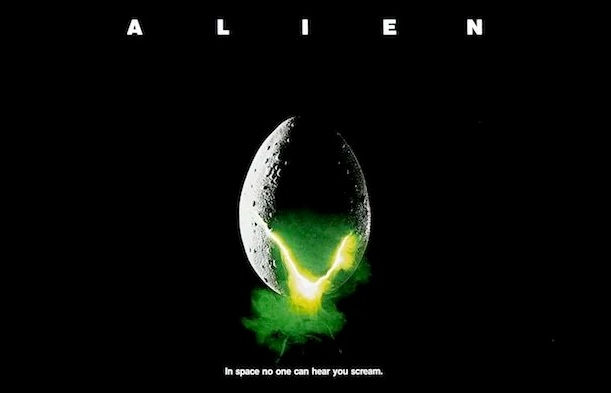
Alien is a movie that lives and dies on its world-building, and a theatrical environment allows its setting to completely envelop you. On a big screen, the Nostromo doesn't feel like a standard Hollywood sci-fi set; it feels like an authentic, grease-stained, jet-fueled industrial commercial vessel. The theatrical audio mix amplifies the constant, low-frequency hum of the ship's engines rattling in the background, punctuated by random beeps, mechanical clicks, and beautifully dated 70s-era computing noises. That analog aesthetic feels tangible at that scale. It builds an incredibly dense, layered sensory trap that makes the eventual arrival of H.R. Giger's xenomorph feel like a logical, nightmarish extension of the ship itself. Seeing it in that environment with my dad was the moment I realized cinema could be a transporting experience.
The Auditory Inferno: Steven Spielberg's Saving Private Ryan (1998)
If any film validates the structural necessity of a theatrical sound system, it is Steven Spielberg's wartime magnum opus, Saving Private Ryan. Watching this at home gives you a front-row seat to history, but watching it in a theater drops you directly onto the frontline.
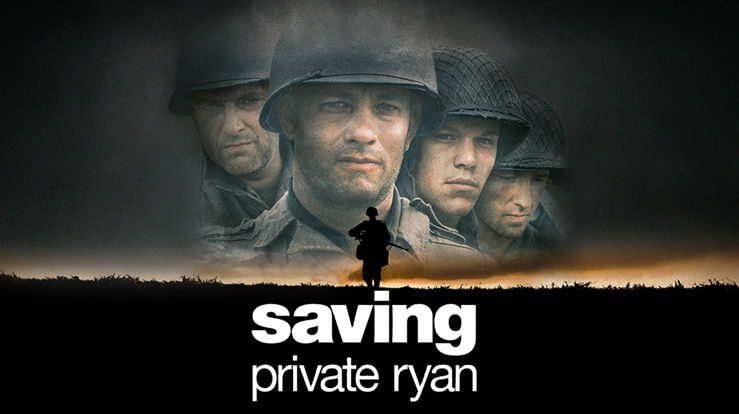
The legendary opening Omaha Beach sequence alone remains an absolute milestone of cinematic sensory overload on the big screen. The theater's audio mix is balanced just a fraction shy of too much, weaponizing the whizzing of bullets, the muffled thuds of underwater explosions, and the deafening roar of mortar fire to violently pull the audience into a truly hellish experience. It bypasses intellectual processing and triggers a purely physical response. Yet, what anchors this staggering auditory inferno is how it shifts into John Williams’ deeply inspirational, patriotic score. Projected at that grand scale, the film brilliantly refreshes the monumental cost of freedom, forcing you to sit in absolute awe of those who were willing to sacrifice everything for its preservation.
Comfort in the Dark: Richard Donner's The Goonies (1985)
While the theater can be a machine for pure visceral terror, it can also function as a profound sanctuary. My screening of The Goonies became deeply special for reasons that were entirely unexpected. It happened to be the very first movie I went to see in a theater after my father passed away, roughly two weeks after his funeral.

Stepping out of my own reality and into the dark to witness something so incredibly familiar and nostalgic was exactly what I needed. But seeing it fully realized on a massive screen highlighted just how uplifting and masterfully crafted that story truly is. Beyond the swashbuckling adventure and the traps, the theatrical canvas amplifies the genuine depth of its character development. It shines a blistering spotlight on its central theme: the lifelong friendships that ultimately shape and define who we are. In a moment of immense personal darkness, The Goonies on the big screen served as a towering reminder of the enduring light found in human connection.
Next Stop on the Timeline...
The beauty of the theatrical time machine is that the journey is never truly over. Next week, I am stepping back into the dark to experience the raw, unedited genesis of a horror institution: Sam Raimi's original The Evil Dead (1981).
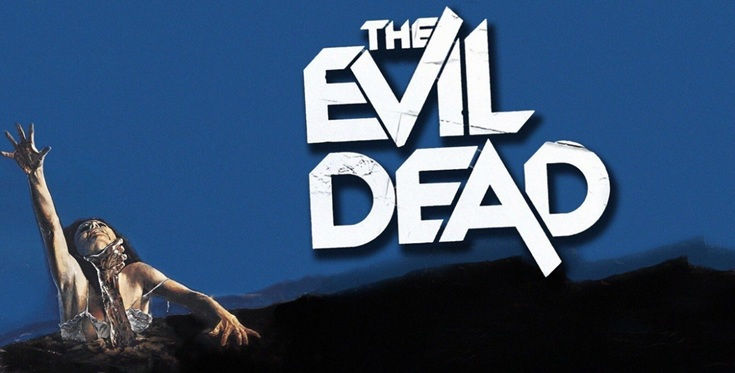
I have watched the adventures of Ash Williams on home media for years, but I am entirely unprepared for how that gritty, low-budget 16mm energy is going to translate to a modern theater space. Raimi's debut is famous for its unhinged camera angles, relentless pacing, and DIY practical gore. Experiencing that kind of unbridled, indie-horror audacity alongside a live crowd promises to bring a wild, rowdy, and unforgettable energy to the room.
The theater remains the supreme ruler of the cinematic medium. So step away from the streaming menu, find a local retro screening near you, and go remind yourself why we fell in love with the movies in the first place.